
Arkansas Tornado Damage Cleanup
Tornado Damage Cleanup in Little Rock
Arkansas Tornado Damage Cleanup provides practical storm, roof-leak, and water-intrusion cleanup information for Little Rock, AR 72201 with clear next steps.
Restoration guidance
Water cleanup information for Little Rock-area properties
Start with the type of water problem you are facing. Each service page explains practical considerations without invented promises or pressure.
Water damage restoration
A clear path from water discovery through cleanup, drying, and repair planning.
Emergency water removal
Practical first steps for standing water, active leaks, and urgent moisture concerns.
Basement water cleanup
Guidance for basement flooring, wall bases, utility areas, and hidden dampness.
Contaminated water cleanup
Safety-first information for sewage and other potentially contaminated water.
Storm water intrusion
Next steps after rain, roof leaks, window intrusion, or foundation entry.
Structural drying
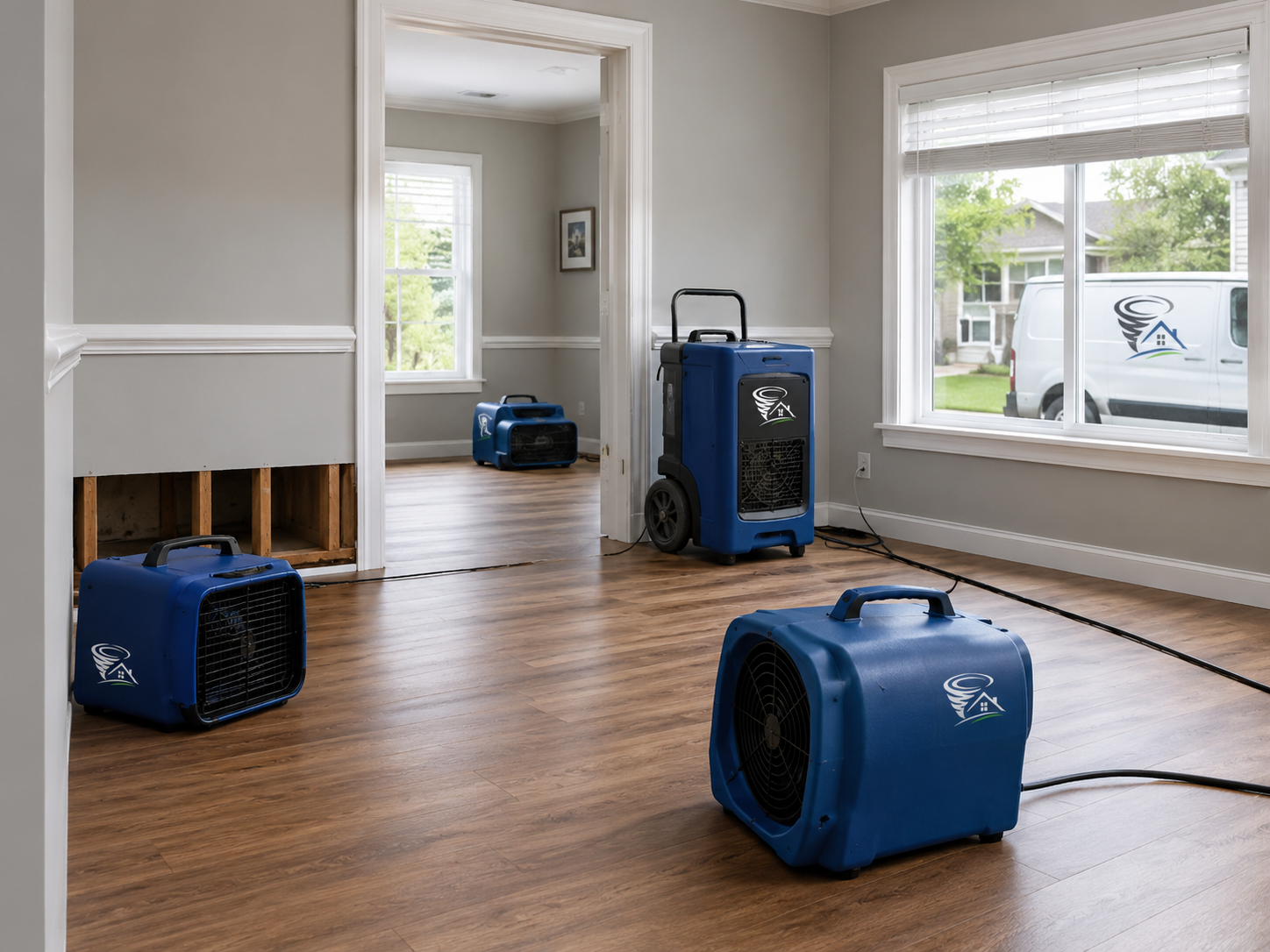
Airflow, dehumidification, moisture monitoring, and drying-plan considerations.
Property recovery conditions
Water, moisture, and restored-space details
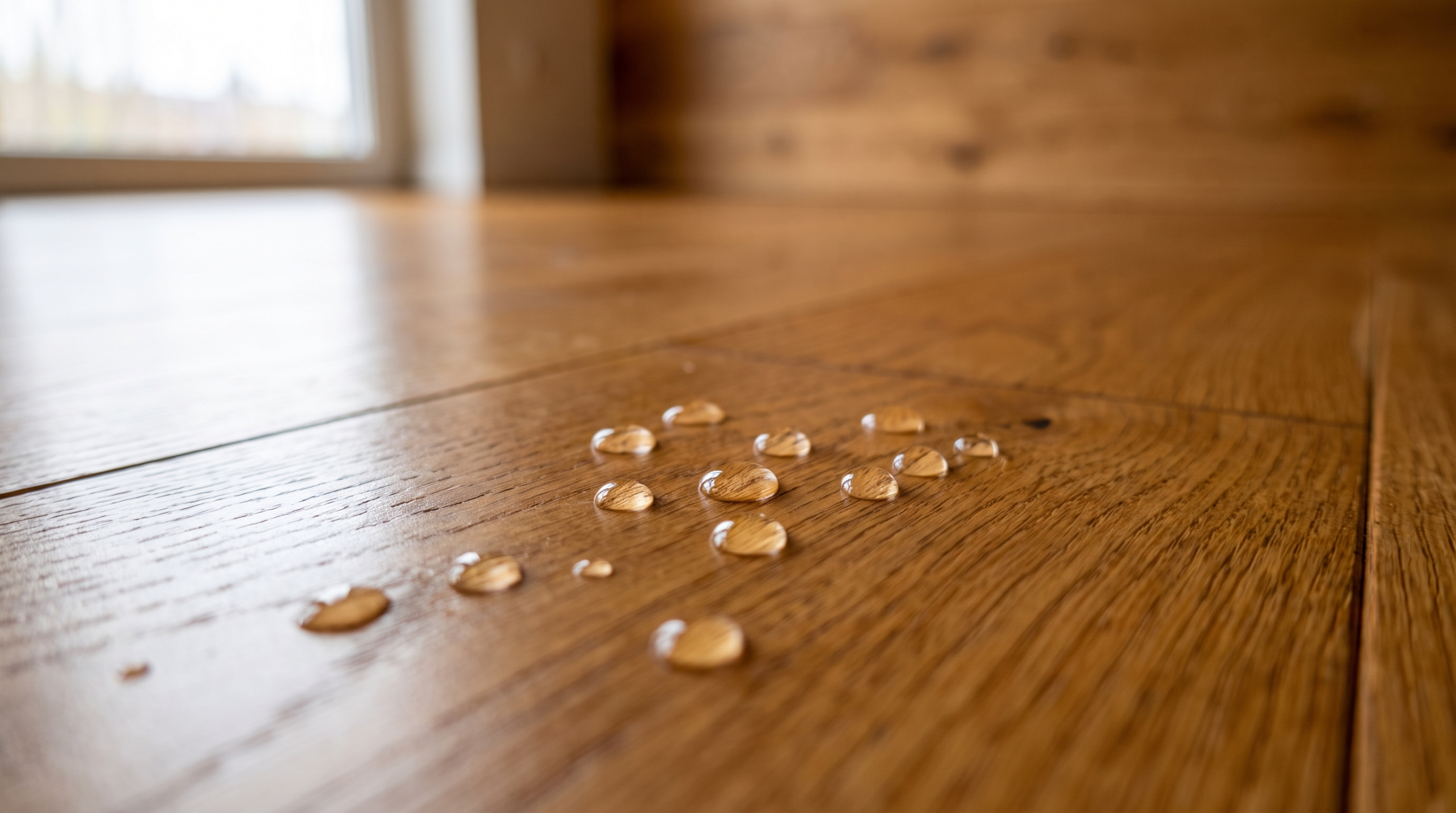
These neutral scenes illustrate common conditions and planning considerations without presenting them as completed local jobs.


A structured approach
From water discovery to a practical recovery plan
Good decisions start with safety, source control, material assessment, and moisture follow-up.
Identify
Locate the likely source and note immediate safety concerns.
Remove
Address standing water when conditions allow it to be handled safely.
Dry
Plan airflow and dehumidification around the affected materials.
Verify
Use moisture follow-up to guide repair and closeout decisions.
Local context
Planning for a Little Rock-area property
Property type, construction, weather, and the source of water all influence the appropriate cleanup path.
Share where the water entered and whether it is still active.
Note rooms, materials, and any visible spread beyond the original area.
Mention electricity, contamination, structural damage, or access concerns.
Common questions
Useful answers before cleanup begins
What should I do first?
If it is safe, stop the water source and avoid affected areas with electrical or contamination concerns. Then document what you can see and make direct contact.
Why does moisture monitoring matter?
Water can move below flooring and behind finished surfaces. Follow-up readings help guide drying and repair decisions.
Can every material be dried in place?
No. The answer depends on contamination, material condition, construction, and how long the area remained wet.
Next step
Discuss the conditions at your property
Contact Arkansas Tornado Damage Cleanup directly by phone or email to share what happened and what areas are affected.